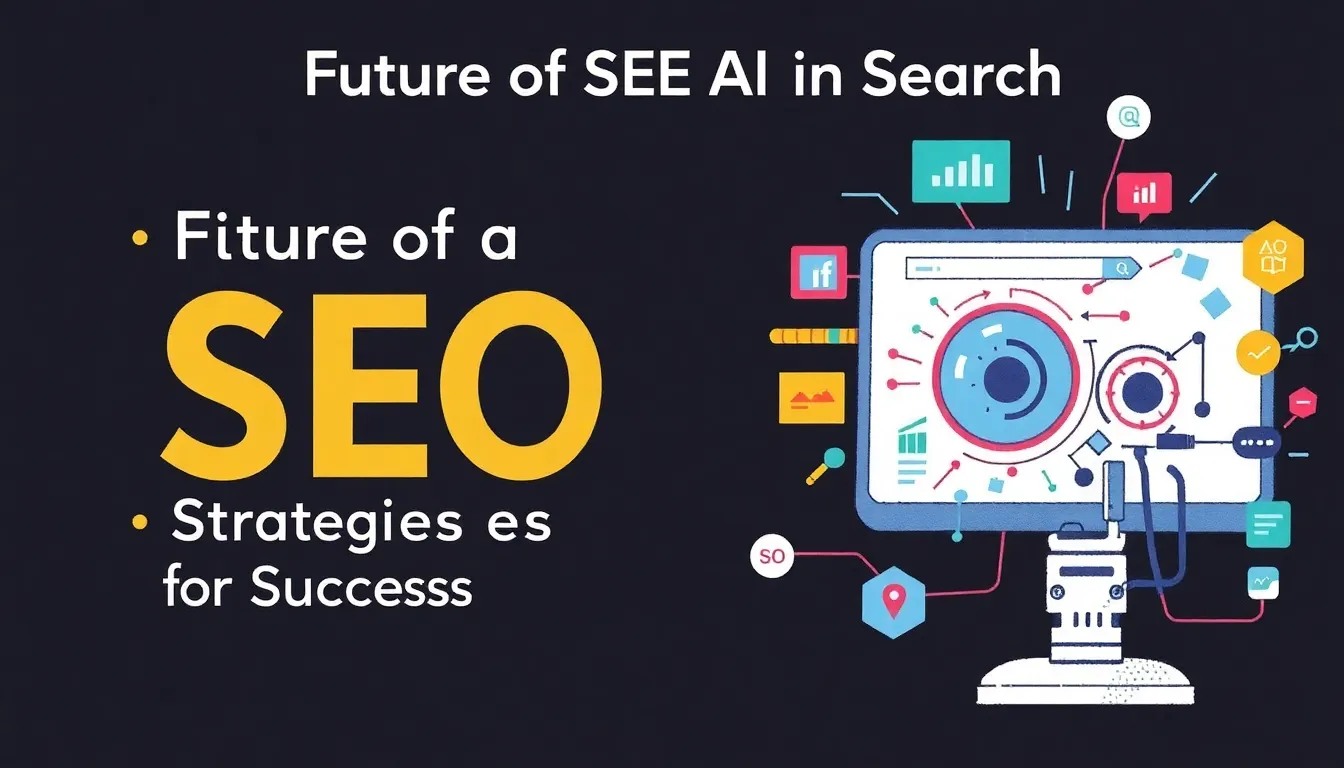
Future of SEO in AI Search: Adapting Strategies for Success
The Evolution of Search Engine Optimization
Search engine optimization stands at a pivotal moment as artificial intelligence reshapes how users discover content online. Rather than abandoning traditional SEO practices, successful marketers are finding ways to blend established techniques with emerging AI search behaviors. The integration of AI Post Images Generator tools and automated content systems has created new opportunities for optimization. Traditional elements like quality backlinks, page speed, and content relevance remain crucial, but they now work alongside AI-specific considerations. The key lies in understanding that AI search engines still rely on retrieval-based systems to source their information. This means that fundamental SEO principles continue to drive visibility, even as AI algorithms add new layers of complexity. Smart marketers recognize that adaptation doesn’t mean starting from scratch – it means evolving existing strategies to meet new technological realities while maintaining the core elements that have always driven search success.

Understanding RAG and AI Search Behavior
Retrieval-Augmented Generation (RAG) represents a critical component of how AI search engines operate and present results to users. Unlike traditional search engines that simply rank web pages, AI systems use RAG to pull information from multiple sources and synthesize comprehensive answers. This process creates unique opportunities for content creators who understand how to position their material for AI discovery. AI Content Aggregator systems demonstrate how these technologies compile information from various sources to create coherent responses. The limitation of AI databases means these systems constantly seek fresh, authoritative content to enhance their responses. Research indicates that only 12% of AI citations directly mirror traditional organic search results, suggesting that AI engines follow somewhat different ranking signals. Content that performs well in AI search often features clear, structured information that can be easily extracted and synthesized. This shift requires SEO professionals to think beyond traditional keyword optimization and consider how their content can serve as source material for AI-generated responses.
Building Future-Ready SEO Strategies
Creating sustainable SEO strategies for the AI era requires balancing proven techniques with innovative approaches tailored to machine learning behaviors. The Red Queen theory applies perfectly here – continuous adaptation is necessary just to maintain competitive position. Auto Backlinks Builder tools and similar technologies are evolving to help marketers establish authority signals that both traditional search engines and AI systems recognize. Successful strategies focus on earning third-party coverage and building domain authority that AI models already recognize before processing user queries. Content quality, freshness, and intent matching remain paramount, but they must now consider how AI assistants interpret and utilize information. The most effective approach involves optimizing for traditional search engines while understanding that AI systems will use this content as source material. This dual focus ensures visibility across both conventional search results and AI-generated responses. As AI search capabilities continue expanding, maintaining this balanced perspective will be essential for long-term SEO success and sustained organic visibility.
Source: Is there still a long-term game for SEO in AI search?