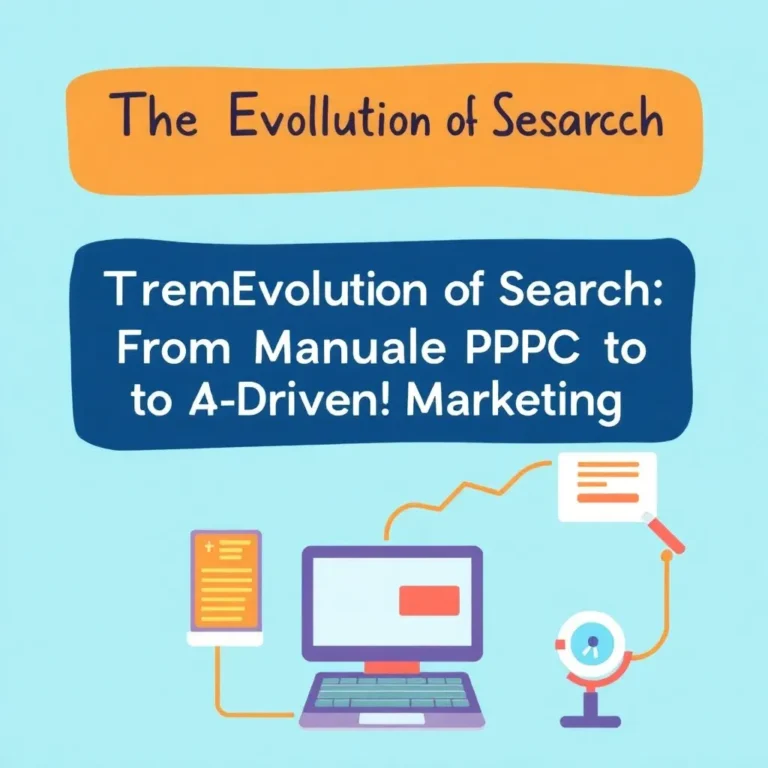

Google Ads Search Query Reports Now Show AI-Interpreted Intent
The Shift from Literal to AI-Interpreted Search Data
Google has announced a significant change to how Search Query Reports function within Google Ads, moving away from displaying exact user searches toward showing AI-interpreted intent approximations. This transformation represents a fundamental shift in how advertisers access search data, as reports now present the ‘closest approximation’ of queries rather than verbatim user inputs. The change reflects Google’s increased reliance on artificial intelligence to understand and process search behavior, moving beyond simple keyword matching to complex intent analysis. This evolution in AI tools integration demonstrates how machine learning algorithms are reshaping digital advertising landscapes. For marketers who have traditionally relied on these reports for precise query analysis, this represents a major paradigm shift. The modification suggests that Google’s systems are becoming more sophisticated in interpreting user behavior, context, and underlying search intent, even when the actual words typed may differ from what appears in reports. This development highlights the growing influence of AI in determining ad serving decisions and represents a move toward more intelligent, context-aware advertising systems.
Impact on Advertiser Strategy and Campaign Management
The implications of these changes extend far beyond simple reporting modifications, fundamentally altering how advertisers approach campaign optimization and keyword strategy development. Traditional methods of analyzing search queries, developing negative keyword lists, and refining match-type strategies may become significantly more challenging and less reliable. Advertisers who previously depended on exact query data to understand user language patterns and search behaviors now face increased uncertainty in campaign management decisions. This shift particularly affects Auto Backlinks Builder strategies and SEO professionals who rely on precise search term data for optimization efforts. The AI-driven approach means that advertisers may lose valuable insights into actual user language, making it harder to identify new keyword opportunities or understand emerging search trends. Campaign managers will need to adapt their analytical approaches, potentially relying more heavily on performance metrics rather than query-level insights. This evolution requires advertisers to develop new methodologies for understanding audience behavior and may necessitate increased focus on broader performance indicators rather than granular search term analysis. The change also impacts budget allocation decisions and bid management strategies that previously relied on specific query performance data.
Adapting to Google’s AI-Driven Advertising Future
As Google continues its transition from keyword-centric to AI-driven intent modeling, advertisers must evolve their strategies to remain effective in this new landscape. The discovery of this update by Anthony Higman from Adsquire on Google’s official help pages suggests that more changes may be forthcoming as AI tools integration becomes increasingly central to Google’s advertising platform. Marketers should prepare for reduced visibility into exact search triggers while developing new approaches to campaign optimization that work within AI-interpreted frameworks. This evolution requires embracing Google’s machine learning capabilities while finding alternative methods to gather user insight and behavior data. Successful adaptation may involve focusing more on audience signals, demographic data, and conversion patterns rather than relying solely on search query analysis. Advertisers should also consider diversifying their data sources and analytical tools to maintain comprehensive understanding of their target audiences. The shift represents both a challenge and an opportunity, as AI-driven systems may ultimately deliver more relevant traffic despite reduced transparency. Moving forward, the most successful advertisers will likely be those who learn to work collaboratively with Google’s AI systems rather than against them, leveraging the platform’s intent interpretation capabilities while developing complementary strategies for audience understanding.
Source: Google says Search Query Reports may not show actual user searches