AI Search Pipeline: 10 Gates That Make or Break Content Visibility
Understanding the Two-Phase AI Search Pipeline
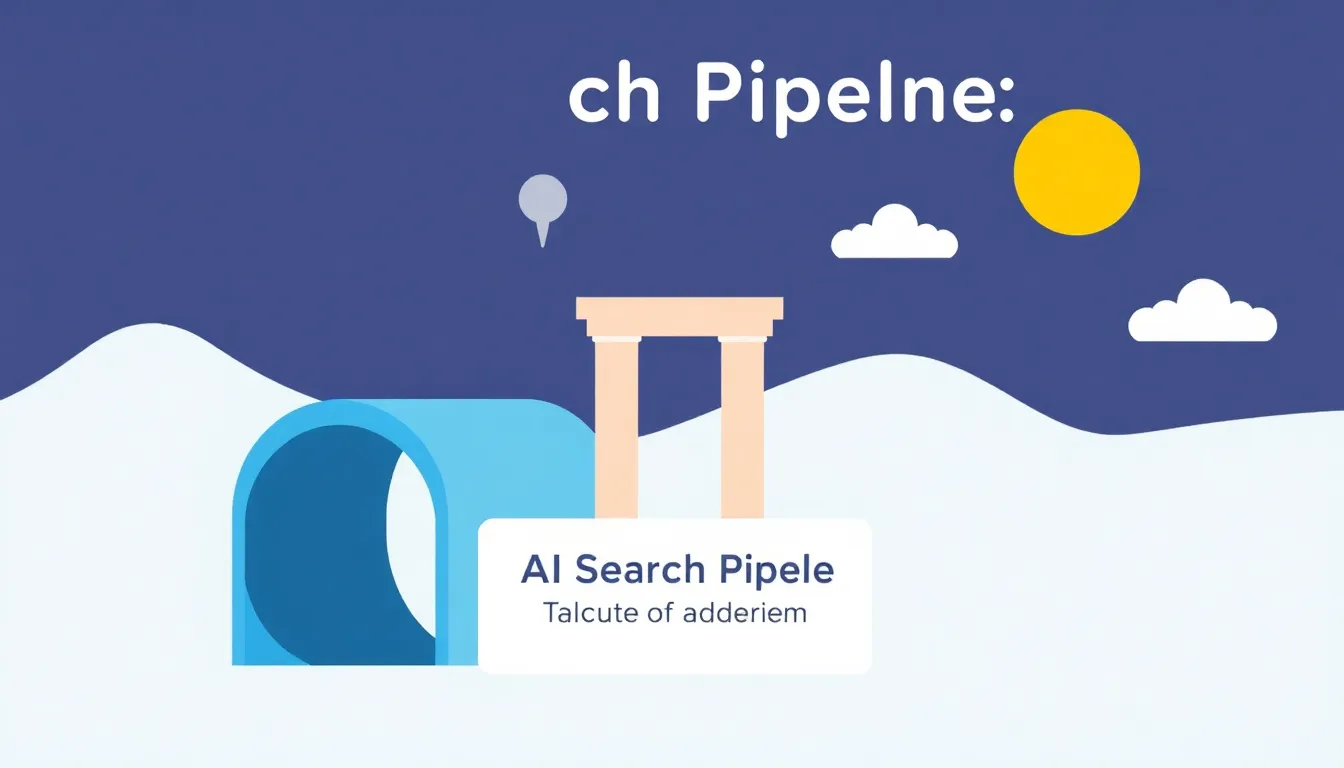
Modern AI search systems operate through a complex 10-gate pipeline that determines whether your content gets discovered and recommended. This pipeline consists of two distinct phases with different logic and requirements. Phase 1 covers the infrastructure-focused gates: discovered, selected, crawled, rendered, and indexed. These are largely binary – either the system has your content or it doesn’t. Success here depends on technical fundamentals like proper sitemaps, structured data implementation, and ensuring your pages render correctly for search bots. Phase 2 encompasses the competitive gates: annotated, recruited, grounded, displayed, and won. Here, your content battles against every alternative the system considers relevant to user queries. While Phase 1 fixes are mechanical and measurable, Phase 2 requires strategic thinking about positioning and brand narrative. The key insight is that AI search operates as a multiplicative system – confidence scores at each gate multiply together, meaning your weakest gate becomes your ceiling, not your average performance across all gates.

The Straight C Principle: Why Weak Gates Kill Performance
In multiplicative systems like AI search pipelines, a fundamental principle emerges: your worst-performing gate sets the ceiling for your entire content’s visibility. This ‘Straight C Principle’ suggests it’s better to perform consistently across all gates than to excel in some areas while failing in others. A single near-zero score anywhere in the pipeline can devastate your overall results, regardless of how well you perform elsewhere. This principle dramatically changes optimization priorities. Instead of pushing strong areas from good to great, focus first on identifying and fixing your F-grade gates, then address D-grade performance, and only then work on incremental improvements. For content creators integrating AI tools integration strategies, this means conducting systematic audits to identify pipeline bottlenecks. The highest-leverage fixes always target the weakest links, not the strongest ones. This approach ensures resources are allocated where they’ll have the maximum multiplicative impact on your content’s overall search visibility and recommendation potential.
Strategic Fixes: From Technical Infrastructure to Brand Narrative
Fixing pipeline stalls requires different approaches depending on the gate and your level of control. For first-party properties, you have complete control and can address technical issues directly. Second-party platforms limit you to content optimization, while third-party properties restrict you to outreach and strategic link placement. Infrastructure fixes in the first five gates are specific and technical – implementing Auto Backlinks Builder systems, improving site architecture, or resolving rendering issues. However, competitive fixes for gates six through ten require broader strategic work around graph presence, proof connections, and closing framing gaps. The further into the pipeline a stall occurs, the more the solution shifts from engineering to positioning. While you can often buy your way through infrastructure issues with better hosting or technical resources, you must earn your way through competitive gates through superior content strategy and brand building. The final ‘won’ gate is particularly crucial – if the algorithm hasn’t understood your brand narrative by this point, it will rewrite your titles and descriptions, potentially losing clients you should have captured through proper framing and messaging.
Source: The 10-gate AI search pipeline: Find where your content fails