Understanding Query vs Conversion Intent for Better Digital Marketing
Defining Query Intent and Conversion Intent
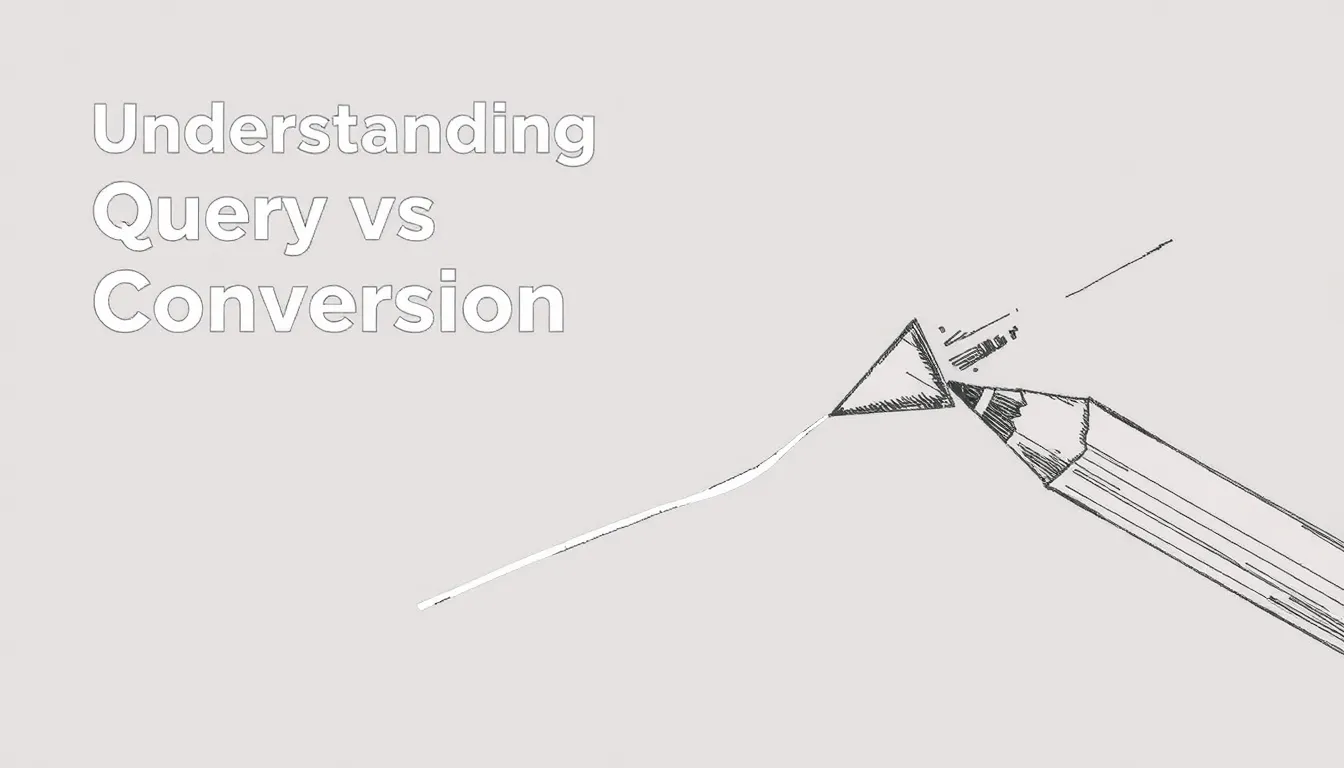
The digital marketing landscape has evolved significantly, creating a crucial distinction between what users type and what they actually want. Query intent represents the surface-level need driving the text entered into search functions, whether on search engines, social platforms, or AI surfaces. It’s the literal interpretation of the words users type into search bars. Conversion intent, however, goes deeper – it represents the human need to achieve a specific outcome, understood through both explicit text and inferred behavioral data points. This includes search history, content consumption patterns, and tracked user actions. For instance, when someone searches ‘Microsoft ads login,’ both intents align perfectly – the user clearly wants to access their account. However, a broader search like ‘Microsoft ads’ creates ambiguity where query intent becomes nebulous, requiring additional signals to understand true conversion intent. Modern AI tools integration has made this distinction even more critical, as search behaviors become increasingly conversational and context-dependent, demanding sophisticated interpretation beyond simple keyword matching.
Real-World Examples of Intent Misalignment
Consider the difference between searching ‘purple hair dye’ versus ‘purple hair dye for long wavy hair.’ Both queries demonstrate clear transactional intent, but the specificity reveals vastly different conversion needs. The first query shows basic product interest but leaves marketers guessing about demographics, hair length, and product type preferences. The detailed query, however, provides rich context – the user likely needs more product volume for long hair, prefers products suited for wavy hair texture, and demographic indicators suggest specific targeting opportunities. This example illustrates why successful PPC practitioners must look beyond syntax-oriented keyword strategies. Auto Backlinks Builder tools and similar technologies can help identify these nuanced patterns by analyzing user behavior across multiple touchpoints. The challenge intensifies when users employ conversational queries, as AI becomes increasingly prevalent in the customer journey. Smart marketers recognize that limiting understanding to search engine results pages ignores critical insights from various digital touchpoints, including social media, video platforms, and email interactions that provide additional context for true conversion intent.
Strategies for Optimizing Intent Alignment
Successfully bridging the gap between query and conversion intent requires a multi-faceted approach that goes beyond traditional keyword matching. Modern AI tools integration enables marketers to analyze patterns across various data sources, including search history, content engagement, and behavioral signals to better understand true user needs. Close variants, available on major advertising platforms for nearly a decade, offer one solution by allowing campaigns to capture relevant traffic beyond exact keyword matches. However, the real opportunity lies in developing comprehensive frameworks that analyze user data holistically rather than relying solely on search syntax. Effective strategies include implementing behavioral tracking across multiple touchpoints, utilizing AI-powered audience insights, and creating dynamic content that adapts to inferred intent signals. Auto Backlinks Builder systems can support these efforts by establishing connections between related content pieces, helping users find relevant information regardless of their initial query specificity. The key is making data-driven decisions that serve your specific business objectives while remaining flexible enough to adapt as user behavior continues evolving toward more conversational, AI-assisted search experiences.
Source: Query intent vs. conversion intent: Why the difference matters