How to Get Your Google Ads Seen in AI Overviews
Understanding AI Overviews and Why They Matter for Paid Ads
Google’s AI Overviews represent a fundamental shift in how search results are presented. Instead of returning a list of blue links, Google now generates synthesized, conversational summaries directly on the search results page — and paid ads can appear within or alongside these summaries. This dramatically changes the competitive landscape for advertisers. Fewer users scroll past the AI-generated answer, which means fewer traditional clicks but greater potential impact for ads that successfully integrate into the AI Overview experience.
To understand what’s at stake, consider this: a shopper asking ‘What’s the best wireless headset for remote work under $100?’ may receive a fully generated AI response complete with product carousels, comparisons, and recommendations — without ever clicking a traditional search result. Your ad must now compete not just with other ads, but with AI-curated content.
Three campaign types are positioned by Google as the most compatible with AI Overviews: Shopping campaigns, Performance Max, and the newer AI Max for Search. Each of these relies on machine learning and contextual signals rather than rigid keyword targeting. This is a meaningful distinction. Traditional keyword-based campaigns depend on exact or phrase matches, while these AI-compatible campaign types treat keywords as intent signals — giving Google’s algorithm room to match ads to semantically related queries. Understanding this foundation is step one to building a winning strategy.
Campaign Types and Feed Optimization: The Core of AI Overview Visibility
Getting your ads into AI Overviews isn’t just about selecting the right campaign type — it’s about feeding Google’s algorithm the richest, most complete data possible. Each of the three recommended campaign types draws from different data sources to determine ad relevance.
Shopping campaigns are essentially keywordless, relying entirely on product data feed quality. A well-structured feed with accurate titles, detailed descriptions, high-resolution images, and optional attributes like material, color, and size significantly improves the algorithm’s ability to match your product to high-intent queries. When a user asks a detailed product-related question, Google’s AI can surface a product carousel within the Overview — but only if your feed signals strong relevance.
Performance Max goes further by combining your product feed, landing page content, and audience insights into a single unified signal. Enabling Final URL Expansion allows Google to scan your website pages and determine relevance based on content rather than a predetermined landing page, which increases the likelihood of appearing in broader, more conversational searches.
AI Max for Search builds on existing keyword lists but treats them as starting points rather than boundaries. It uses both search term matching and creative asset optimization to reach queries that fall outside traditional keyword targeting. This is where AI tools integration becomes essential — connecting your ad infrastructure with dynamic audience data ensures your campaigns remain agile and responsive to evolving search behavior.
Best Practices: Creative, Schema, and Link Building for AI Overview Success
Beyond campaign structure and feed quality, several practical optimization tactics can meaningfully increase the probability of your ads appearing in AI Overviews. Advertisers who combine strong creative diversity with technical SEO tactics will have a compounding advantage.
First, diversify your creative assets aggressively. AI Max and Performance Max campaigns perform better when given varied headlines, multiple descriptions, and informative video content. The algorithm selects the best combination for each query context, so more variety means more opportunities for alignment. Avoid generic copy — write headlines that speak to specific use cases, pain points, or buyer stages.
Second, invest in landing page content that mirrors the conversational nature of AI-driven queries. Pages that answer real questions in structured, scannable formats — using headers, bullet points, and FAQs — are more likely to be recognized as contextually relevant. Schema markup, particularly for products, reviews, and FAQs, helps Google parse and trust your content faster.
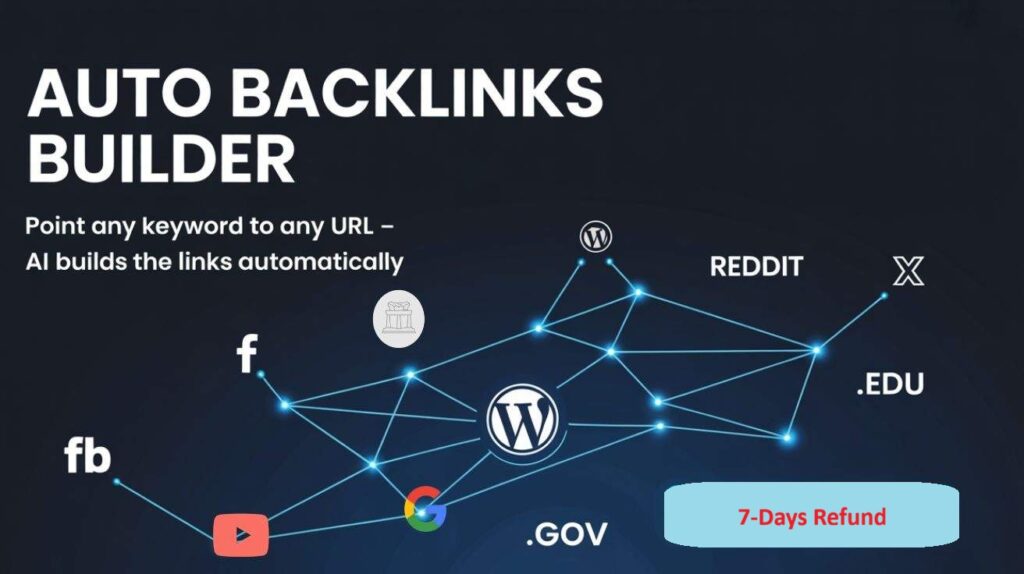
Third, focus on brand authority through Auto Backlinks Builder strategies and ethical link-building practices. AI Overviews tend to feature content from authoritative, well-cited sources. Earning backlinks from reputable industry sites reinforces your brand’s credibility in Google’s eyes, increasing the likelihood your ads and organic content are surfaced together. Combining paid and organic authority signals is the most durable long-term approach to AI Overview visibility.