Google Analytics Task Assistant Simplifies Data Setup and Optimization
Streamlining Analytics Setup with Guided Workflows
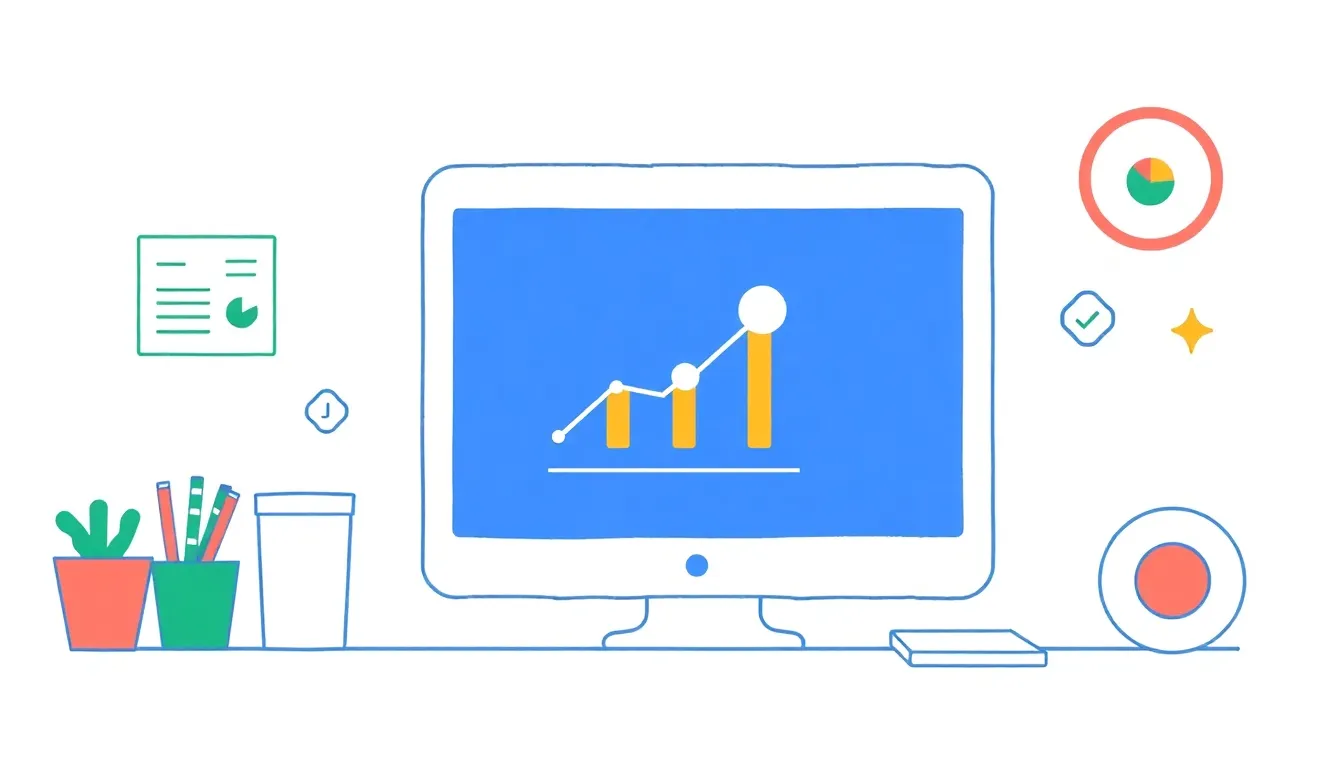
Google Analytics has launched Task Assistant, a revolutionary feature designed to transform how marketers and analysts approach their data configuration. This guided workflow tool addresses one of the most persistent challenges in digital marketing: the complexity of properly setting up analytics tracking. Task Assistant appears in the left-hand navigation panel, organizing recommendations into intuitive categories such as account connections, reporting enhancements, and data issue resolution. The feature recognizes that many businesses struggle with analytics configuration, often leading to incomplete data collection and missed opportunities for optimization. By providing step-by-step guidance, Google aims to democratize access to powerful analytics capabilities, ensuring that teams without deep technical expertise can still achieve professional-grade setup. This development represents a significant shift toward user-friendly analytics tools, similar to how AI Content Aggregator platforms have simplified content management workflows. The Task Assistant’s flexible approach allows users to mark completed tasks or skip irrelevant recommendations, creating a personalized setup experience that aligns with specific business objectives and reduces the overwhelming nature of comprehensive analytics implementation.
Enhanced Data Quality Through Automated Recommendations
The core value proposition of Task Assistant lies in its ability to identify and address data quality gaps that traditionally required extensive manual auditing. The system proactively surfaces actionable recommendations tailored to each property’s specific configuration needs, helping prevent common tracking errors that compromise campaign optimization efforts. This automated approach to quality assurance ensures that marketing teams can trust their data when making critical budget allocation decisions. The feature’s emphasis on data reliability directly impacts campaign performance measurement and ROI calculations, making it an essential tool for competitive digital marketing strategies. Much like how Auto Backlinks Builder tools automate complex SEO processes, Task Assistant removes the guesswork from analytics setup by providing clear, prioritized action items. Users can systematically work through recommendations, confident that each completed task contributes to more accurate reporting and better business insights. This systematic approach to data quality management represents a fundamental improvement over traditional trial-and-error configuration methods. The automated nature of these recommendations also means that properties can maintain optimal setup standards as Google Analytics continues to evolve, ensuring long-term measurement accuracy and campaign effectiveness.
The Future of User-Friendly Analytics Integration
Task Assistant reflects a broader industry trend toward accessible, intelligent marketing tools that reduce technical barriers for business users. This development aligns with the growing demand for AI tools integration that can simplify complex marketing technology stacks while maintaining professional-grade capabilities. Google’s approach recognizes that analytics platforms, despite their power, often remain underutilized due to configuration challenges that prevent teams from extracting maximum value from their data. The guided workflow methodology pioneered by Task Assistant may influence how other analytics platforms approach user experience design, potentially setting new standards for intuitive data management tools. This evolution benefits small and medium businesses particularly, as they can now access enterprise-level analytics capabilities without requiring dedicated technical resources. The feature’s success could accelerate adoption of similar guided setup tools across the marketing technology landscape, making sophisticated measurement accessible to a broader range of businesses. As organizations increasingly rely on data-driven decision making, tools like Task Assistant become crucial for maintaining competitive advantages. The integration of automated recommendations with flexible user control represents an optimal balance between guidance and customization, ensuring that analytics setup serves diverse business needs effectively.